

Fall 2026
Reading Groups
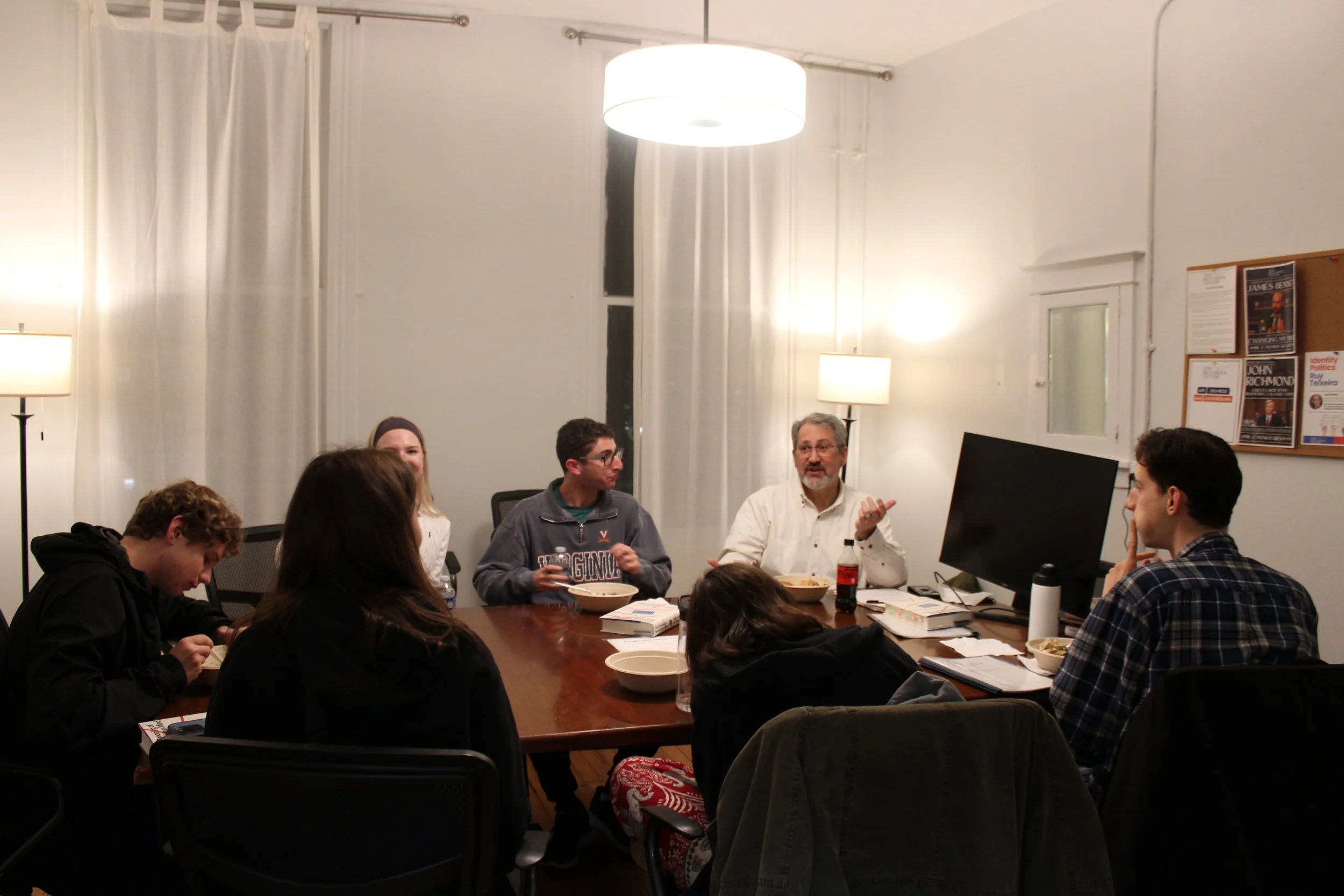
Our reading groups allow small groups of students to intensively engage with a topic and with each other across a semester. Participating students represent a range of viewpoints, readings are selected with contrasting interpretations, and meetings take place over dinner at the Blue Ridge Center offices, led by the group leader. Groups meet weekly.
-
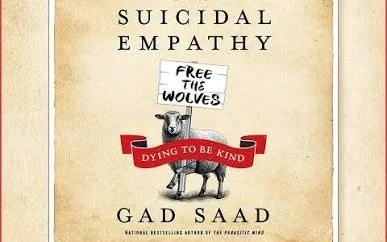
Suicidal Empathy by Gad Saad
What happens when a society elevates victimhood to a virtue and decides that punishment is cruel? You get the disease Dr. Gad Saad calls suicidal empathy. And the West may be terminally infected.
This group will read Dr. Saad’s latest book, Suicidal Empathy, which critiques irrational altruism that has gripped our culture. This “mind parasite” has hijacked the empathy module of our progressive elite, Saad argues, leading to a catastrophic miscalibration of moral priorities.
Led by Sam Richardson.
This group will meet Thursdays at 6 p.m.
First meeting is September 10.
-
Fiction Book Club: The Women by Kristin Hannah
What does it truly mean to serve? Read the most prominent novel about nursing in decades.
When her brother ships out to serve in Vietnam, 20-year-old nursing student Frances "Frankie" McGrath impulsively joins the Army Nurse Corps and discovers a career filled with rewards, challenges, and traumas, at war and back home in America.
Nursing and non-nursing students welcome!
This group will meet Mondays at 7:15 p.m.
First meeting is September 21.
-
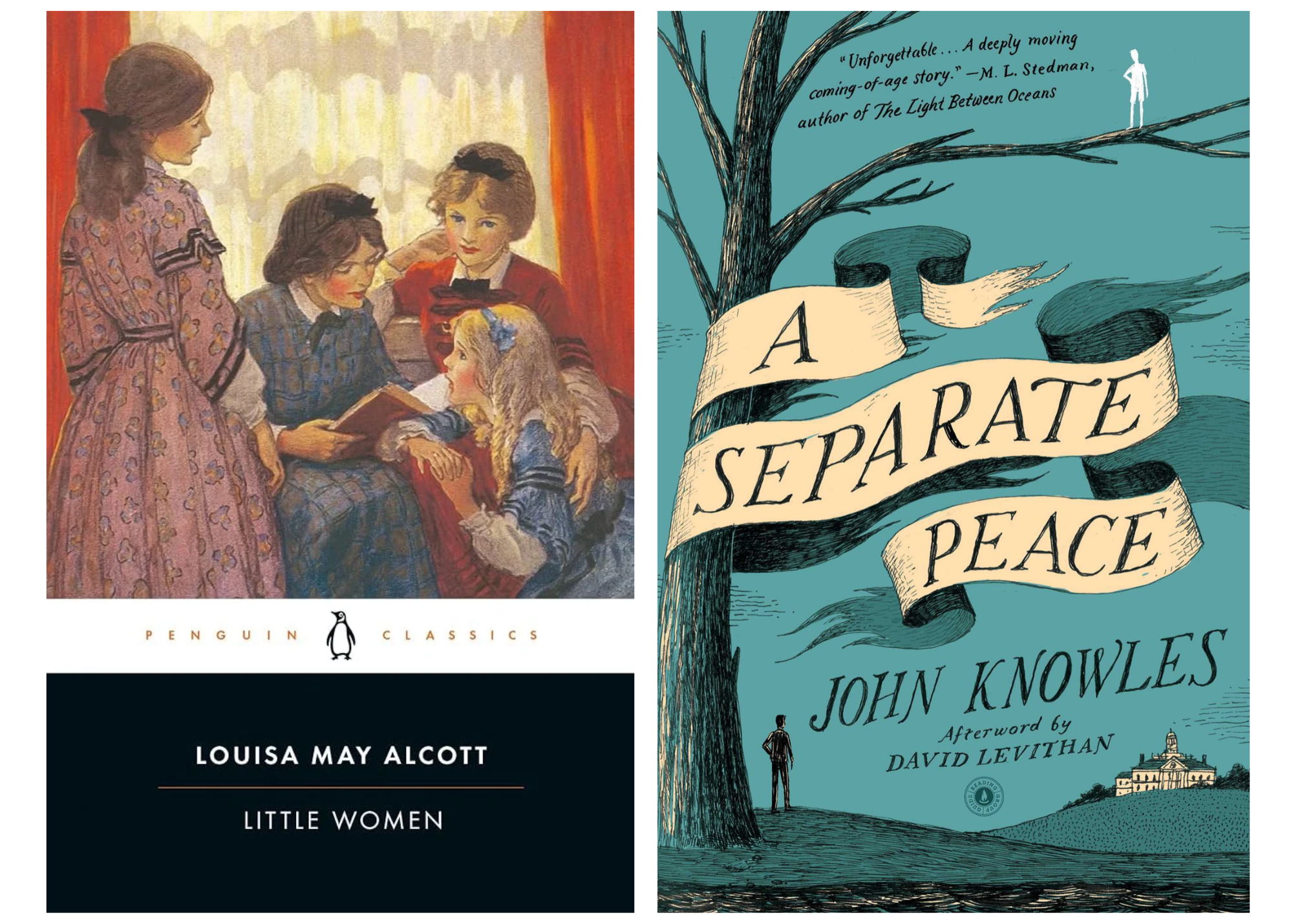
Fiction Book Club: Coming of Age
Sign-ups are closed for this group.
This group will explore Little Women by Louisa May Alcott and A Separate Peace by John Knowles. The two coming-of-age novels delve into the loss of innocence and personal transformation during two very different, but pivotal times in American history.
Student-led by Grace Bruggeman, Katherine Prewitt, and Kali Hauser
This group will meet Mondays at 7 p.m.
First meeting is September 7.
-
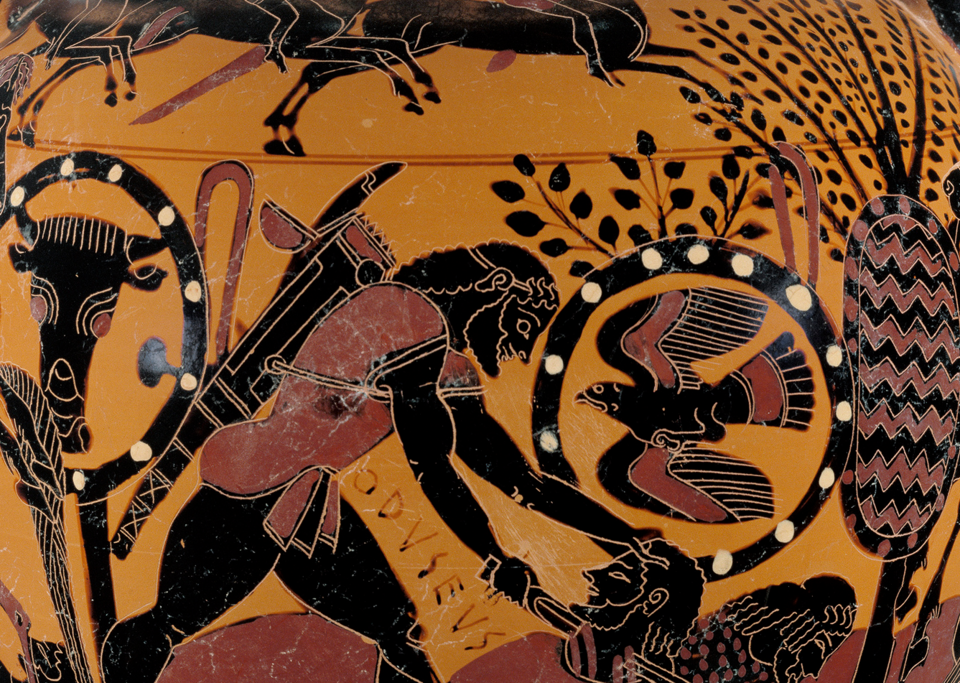
The Odyssey
Sign-ups are closed for this group.
This reading group will explore Homer’s epic poem The Odyssey. Set after the Greek victory in the Trojan War, the epic follows Odysseus’s ten-year journey home to Ithaca. Together, we'll explore enduring questions about heroism, the longing for home, and whether intelligence ultimately triumphs over brute strength.
Led by Anna Katherine Ireland
This group will meet Tuesdays at 6 p.m.
First meeting is September 8.
-
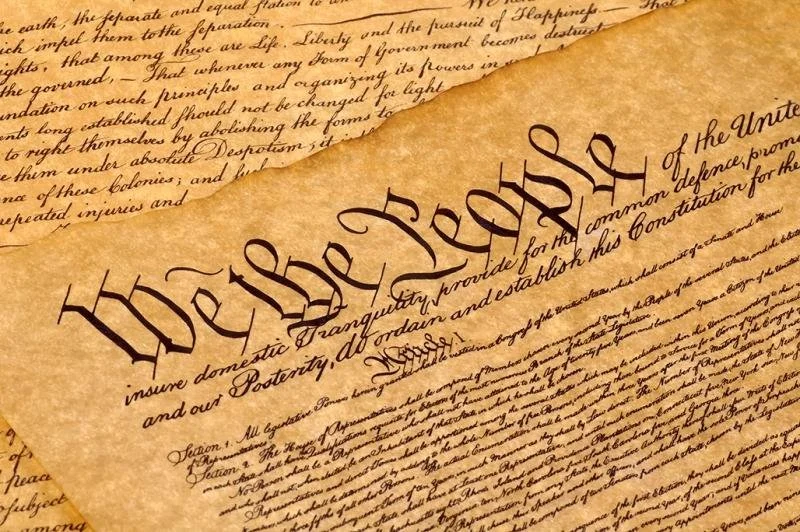
The Structure of the Constitution
Sign-ups are closed for this group.
Why is the U.S. government set up in the complicated, separated way that it is? This group will work through the theory, the practice, and the controversies of the format of America's basic Constitutional order.
Led by Christina Ashoo
This group will meet Tuesdays at 6:30 p.m.
First meeting is September 8.
-
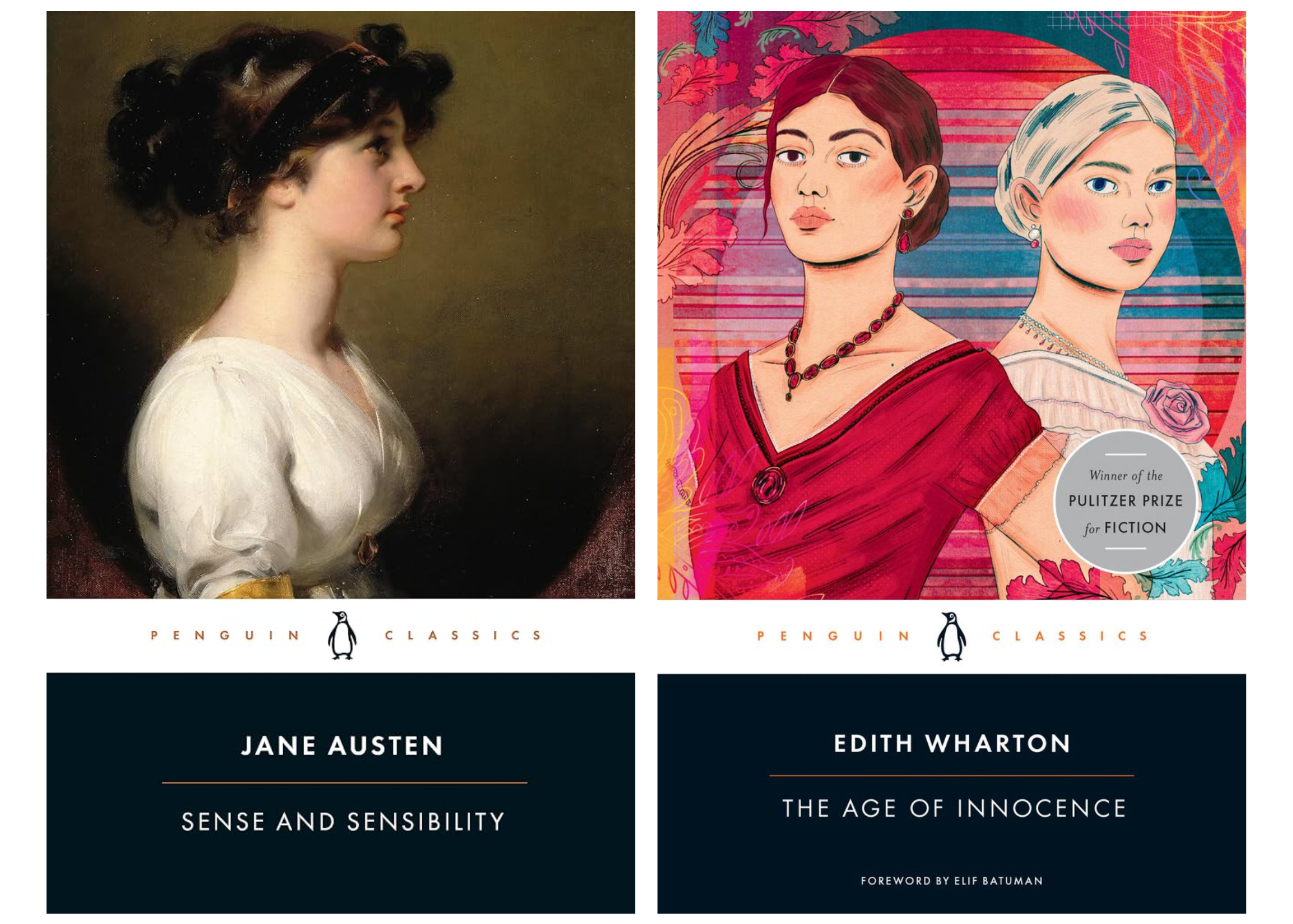
Fiction Book Club: Love and Society
Sign-ups are closed for this group.
How much should society shape our most personal decisions? This reading group will tackle Jane Austen’s Sense and Sensibility and Edith Wharton’s The Age of Innocence, exploring the tension between individual desire and social expectation. The group will discuss love, marriage, family, reputation, and the sacrifices people make to belong. Books will be provided to all participants!
Led by Emily Horn and Emelia Gibbs
This group will meet Tuesdays at 6:30 p.m.
First meeting is September 8.
-

Regional Cultures of the USA
Sign-ups are closed for this group.
The United States consists of regions varying across cultural, political, and economic domains. Following Colin Woodard's American Nations: A History of the Eleven Rival Regional Cultures of North America, this group explores how regional identities, values, and differences have been shaped through history, and how the principles of cultural intelligence (CQ) can help navigate intercultural situations across the USA. If you’ve ever wondered why urban and rural areas struggle to understand each other, what's outside of the "UVA bubble" and where to move after graduation, or how can we all better get along in a divided nation, we hope you will join us.
Led by Harrison Snedeker
This group will meet Wednesdays at 7 p.m.
First meeting is September 9.
-

The Coming Wave: AI, Power, and Our Future
Sign-ups for this group are closed.
Do you feel inundated by the relentless flow of new technologies that dominate the news? Is technological progress exponential? It has become commonplace to assert that we have reached an “inflection point” and are undergoing yet another major historical wave. But what are the stakes of making such a claim? This reading group will critically read The Coming Wave: AI, Power, and Our Future. We’ll discuss Boomerism (techno-utopianism), Doomerism (AGI will kill us all), and anything in between.
Led by Dr. Beth Frazier
This group will meet Wednesdays at 5:30 p.m.
First meeting is September 16.
Have any questions or an idea of your own? Email us at info@theblueridgecenter.org and we’ll work to make it happen.

Past Reading Groups
-
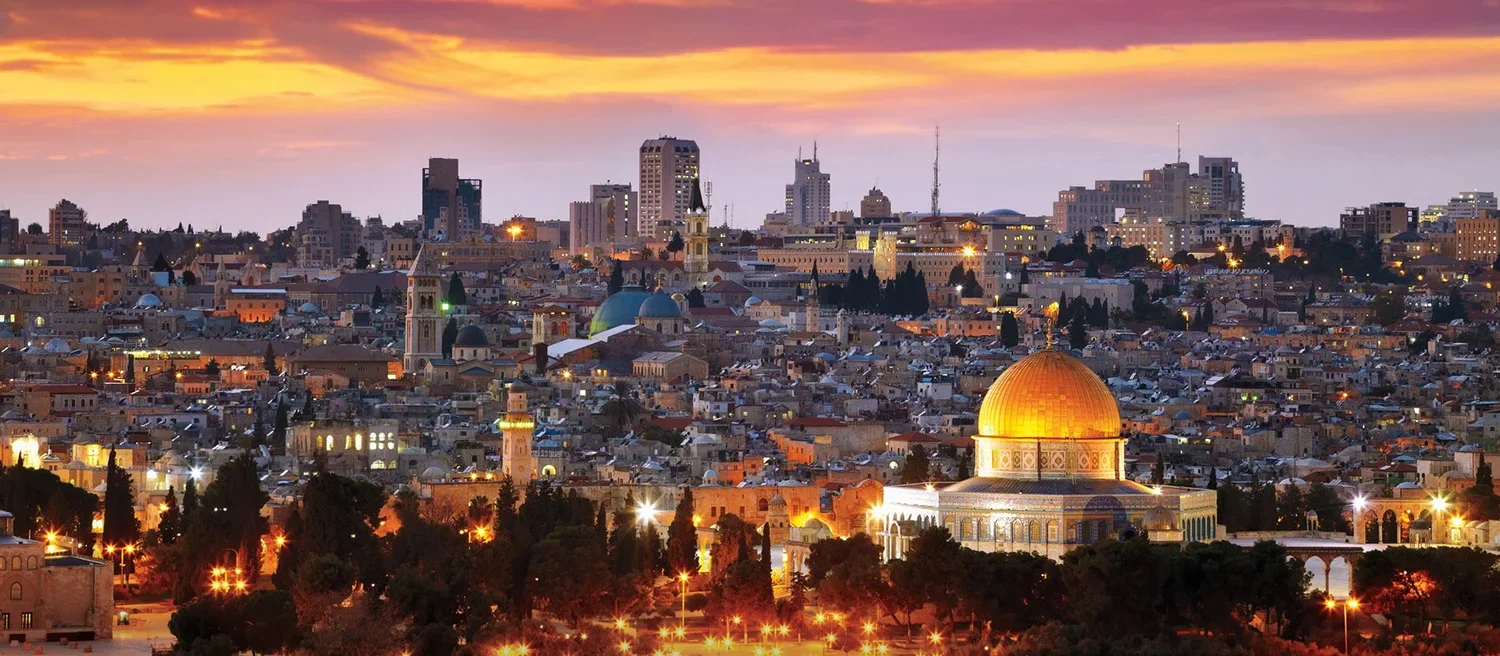
Letters to My Palestinian Neighbor
Spring 2026
Led by Orr Grossman
This reading group will explore Letters to My Palestinian Neighbor by Yossi Klein Halevi—an honest, personal invitation to understand the Israeli-Palestinian conflict beyond headlines and social media. The group will be a space for thoughtful dialogue, respectful disagreement, and curiosity designed for students who want to challenge their assumptions, listen deeply, and engage with one of the most complex issues of our time in a meaningful way.
-
Gothic Horror Fiction Book Club
Spring 2026
Student-led by Emelia Gibbs and Mariel DiNatale
This semester, our fiction book club has a gothic horror theme. The group will tackle two books: Frankenstein by Mary Shelley and Wuthering Heights by Emily Bronte.
-
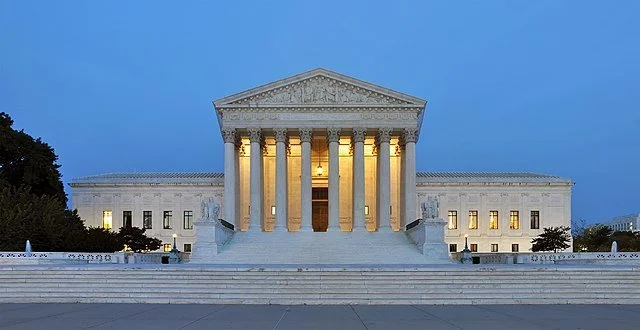
Understanding the Supreme Court
Spring 2026
Student-led by Jolina Dong
This reading group will dive into the Supreme Court’s role in the American judicial system, how its influence and responsibilities have evolved over time, and how it shapes and is shaped by the public. Join us to explore the Court’s decisions, dynamics, and real-world impact in a way that’s accessible and engaging.
-

Relationships and Community in Modern Life
Spring 2026
Led by Molly Hurt
This reading group will explore a range of perspectives on building strong relationships: friendships, family, intimate relationships, and healthy communities. The group will examine how individual choices, emotional habits, technology, and shifting dating norms influence the quality of our relationships and the kinds of communities we help create.
-

Digital Minimalism
Spring 2026
Student-led by Harrison Snedeker
Why are people quitting social media? What are the concerns over “screen time”? How do today’s technologies shape us as individuals and a society? This group explores the idea of digital minimalism—reducing distractions and using tech in ways intentional and meaningful to you. Drawing from authors such as Cal Newport, Jonathan Haidt, and Adam Alter, this group offers a chance to engage with these critical issues.
-

Conservative Political Thought (1945-Present)
Spring 2026
Led by Col. Dan Moy
This reading group will explore conservative political thought since 1945. The group will cover the birth of modern conservatism from William F. Buckley and the founding of the National Review to current thinkers on the right like Patrick Deneen.
-
Seeking Truth in the Age of Feeling
Spring 2026
Led by Sam Richardson
Which is more important, to feel or to think? Which provides a greater sense of “truth”? Indeed, what is “truth”? This group will read and discuss Professor Robert P. George’s new and timely tome, Seeking Truth and Speaking Truth: Law and Morality in Our Cultural Moment. This group will challenge your philosophy as well as your historical understanding of how to create a society of thoughtful meaning and purpose.
-

Dystopian Fiction Book Club
Fall 2025
Student-led by Emelia Gibbs and Mariel DiNatale
This semester, our fiction book club has a dystopian theme. The group will tackle three books, The Handmaid’s Tale by Margaret Atwood, Children of Men by PD James, and A Clockwork Orange by Anthony Burgess.
-

How to Lead a Meaningful Life
Fall 2025
Led by Molly Hurt
A survey of thinkers and writers discussing what it means to live a meaningful life. Selected readings include Cal Newport, Jonathan Haidt, and Bill Burnett, among others.
-
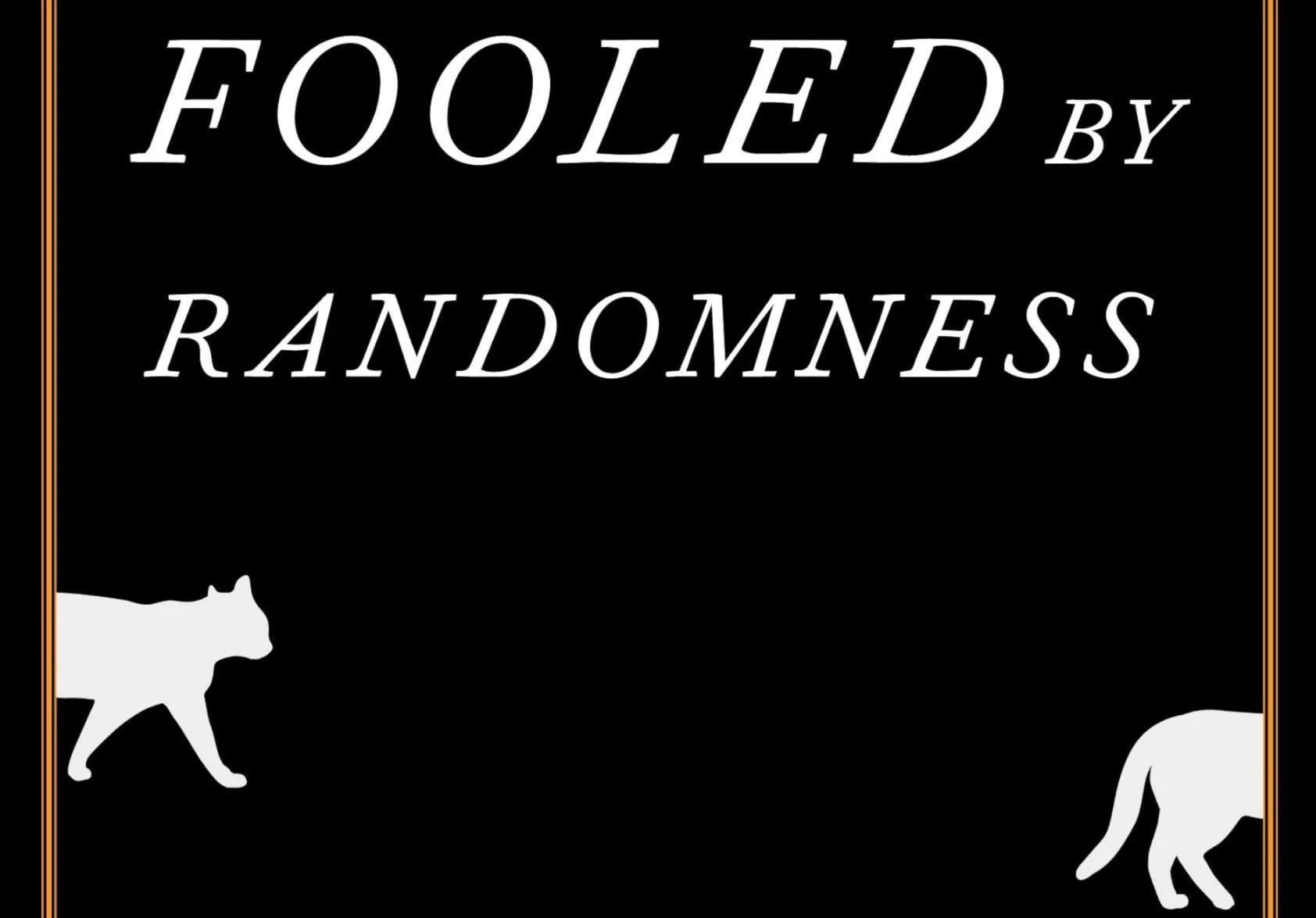
Fooled by Randomness by Nassim Taleb
Fall 2025
Student-led by Harrison Snedeker
Uncertainty, probability, randomness, and chance—these forces underlie our daily lives, yet are so rarely considered in depth outside of the classroom. This group explores the underlying logic of statistical and probabilistic thinking through the lens of real-world application across domains including history, economics, psychology, logic, and more.
-
The Count of Monte Cristo by Alexandre Dumas
Fall 2025
Student-led by Margot Sellgren
A study of the literary devices, themes, and moral applications from Alexander Dumas’ classic The Count of Monte Cristo.
-

John Paul II
Fall 2025
Led by Corinne Puzio
This reading group will explore the legacy of Pope John Paul II. Readings will be from George Weigel's biography Witness to Hope.
-

Originalism and Its Critics
Fall 2025
Led by David Bainbridge
Originalism is the single most prominent theory that judges use to interpret the Constitution and the law. This group explored this legal theory and its leading critics, to understand the most important debate dividing the legal world today.
-

Israel 101
Fall 2025
Led by Orr Grosman
This reading group will explore the people, stories, values, and questions behind one of the most talked-about countries in the world.
-
Ross Douthat's Believe
Fall 2025
Led by Sam Richardson.
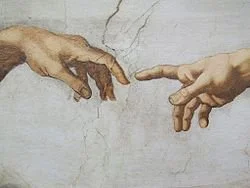
This group will read and discuss Believe: Why Everyone Should Be Religious. The book argues that religious belief is not incompatible with modern knowledge and explores how an open-minded religious quest should proceed amid the diversity of religious faiths.
-
Antifragile
Spring 2025
With Harrison Snedeker
Why do some ideas work in theory but fail in practice? In a world filled with uncertainty, Taleb argues there are specific errors that academics, policymakers, and other experts often fall victim to—and with potentially dire and disillusioning consequences. In this group, we examined such errors through the interdisciplinary lens of Nassim Taleb’s Antifragile and discussed their foundations and implications.
-
The TwentySomething Treatment
Spring 2025
With Meg Jay and Ella Wyman
Are we overmedicating 20somethings? Clinical development psychologist and New York Times bestselling author Dr. Meg Jay joined the Blue Ridge Center for a reading group on her latest book, The Twentysomething Treatment. The book delves into the young adult mental health crisis in America. For 25 years, Dr. Jay has specialized in twentysomethings, and she argues that most young people don’t have disorders that must be treated: they have problems that can be solved.
-
Ethics & Private Equity
Spring 2025
With Zach Nachlis
As the private equity industry rebounds from a two-year lull, financial sponsors are looking for new and innovative ways to deploy capital across a wide array of industries. This reading group covered the ethical implications of sponsor-led transactions in global M&A markets by examining how some of the largest alternative asset managers in the world are positioning themselves to succeed amidst dynamic issues such as those related to environmental, social, and governance (ESG) principles. This group took a balanced and nuanced approach to understanding the future of the private equity industry and ways that the industry is adapting to meet evolving challenges.
-

Natural Law
Spring 2025
With Jacob Conrod
Is there an intrinsic order to the moral universe? Does law ultimately proceed from human ideas, or does it have its source in something more fundamental?
All of these questions find answers through a careful study of the Natural Law tradition. We contemplated the role of Natural Law through engagement with thinkers such as Aristotle, Thomas Aquinas, Richard Hooker, John Finnis, and Adrian Vermeule.
-
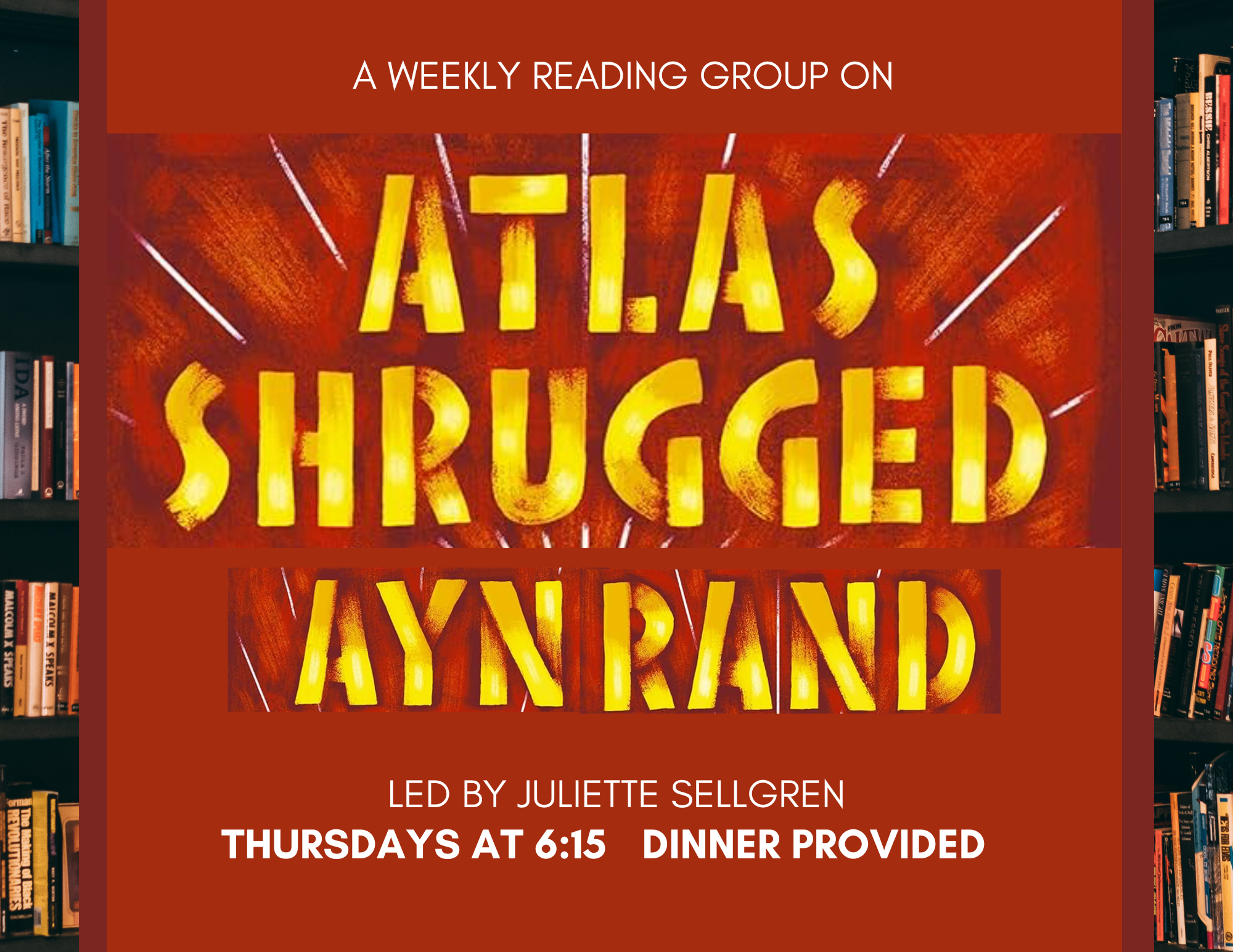
Atlas Shrugged
Spring 2025
Student-led by Juliette Sellgren
Atlas Shrugged is considered Ayn Rand's magnum opus, following a female railroad executive and her struggles against overregulation in a dystopian future United States. This group explored some of the major themes in the book, including capitalism, collectivism, the role of government, and the mind-body dichotomy.
-
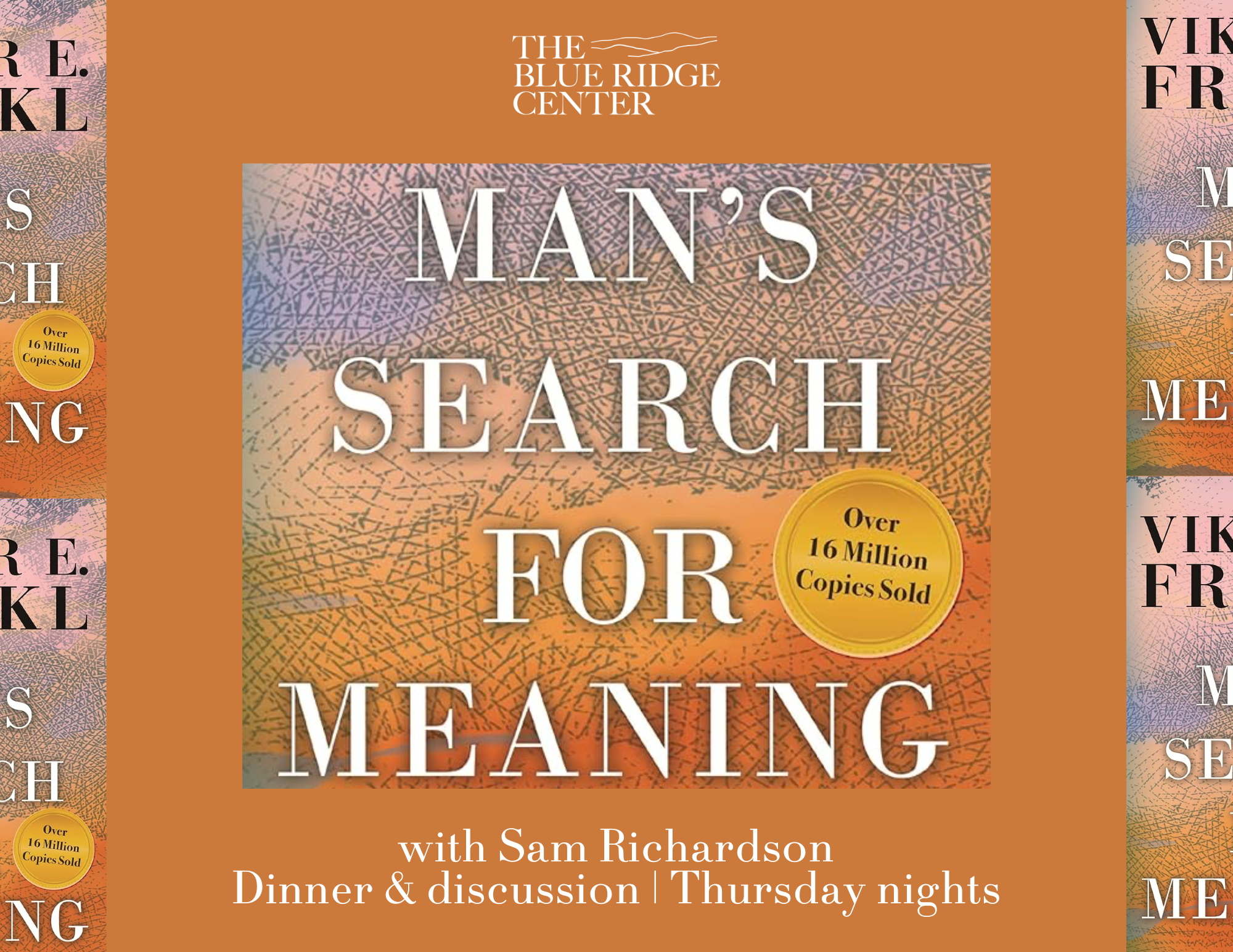
Man's Search for Meaning
Spring 2025
With Sam Richardson
This discussion group will examine how select thought leaders of the contemporary era—Viktor Frankl, Vivek Ramaswamy, Dennis Prager, and Natan Sharansky—have explored key ultimate issues such as finding significant personal meaning, the existence of a transcendent Deity, the problem of evil, and the essence of individual freedom. Join us for a journey into history, psychology, theology, sociology, and your own soul—where you might find the treasured elements of a meaning-full life.
-
Antisemitism
Spring 2025
With Orr Grosman
Antisemitism is ancient, but it also evolves every generation. This reading group tackled several topics: Is antisemitism continuous across time, as some people think, or is it an unrelated phenomenon at different points in history? Since 1948 and today, is “anti-Zionism” fundamentally different from antisemitism or just another form of it? Is historical “right-wing” antisemitism fundamentally different from “left-wing” antisemitism? Is antisemitism worse now, or is it less dangerous today by historical standards?
-
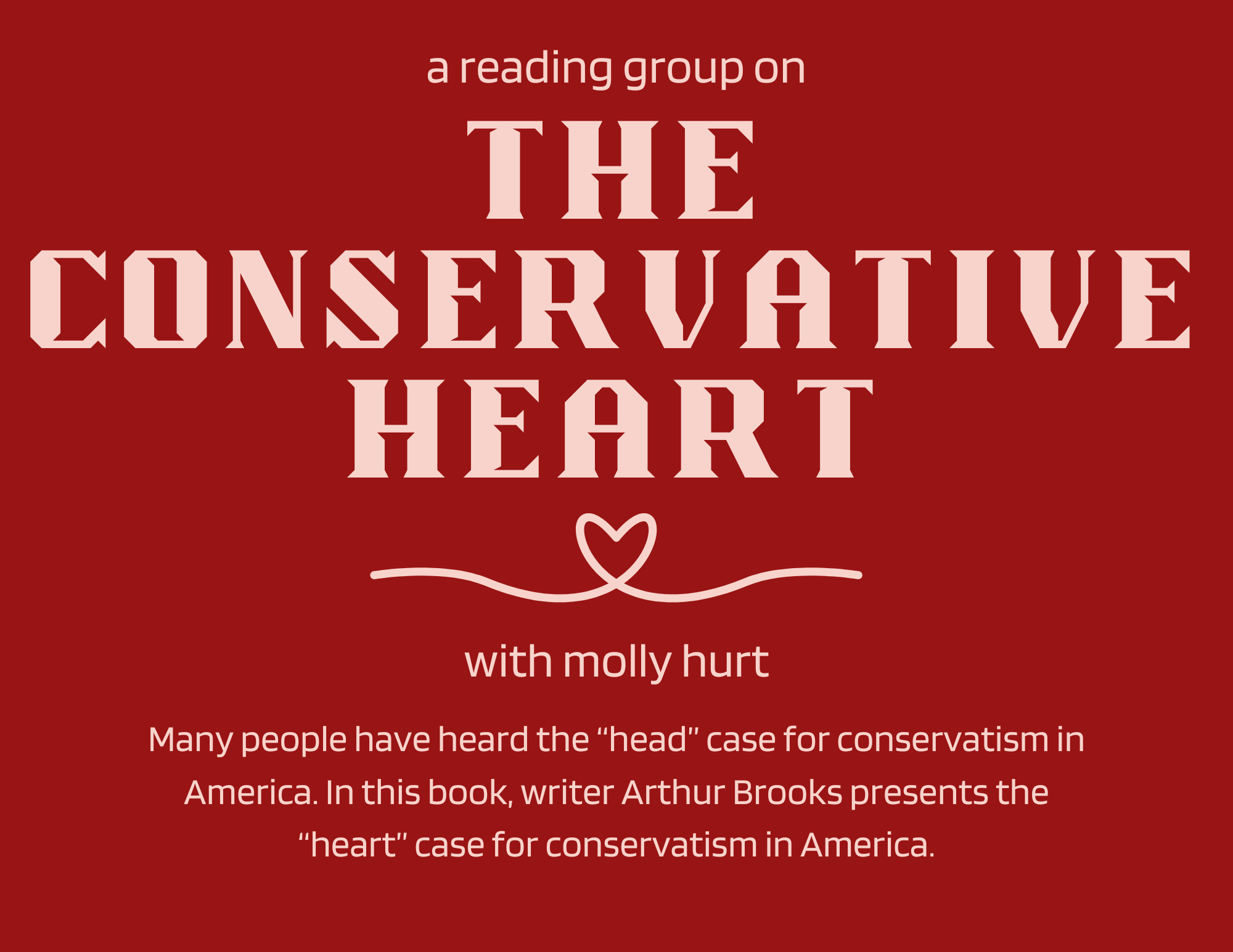
The Conservative Heart
Spring 2025
With Molly Hurt
Many people have heard the “head” case for conservatism in America. In this book, writer Arthur Brooks presented the “heart” case for conservatism in America.
-
The Right
Spring 2025
With Kellen Narke
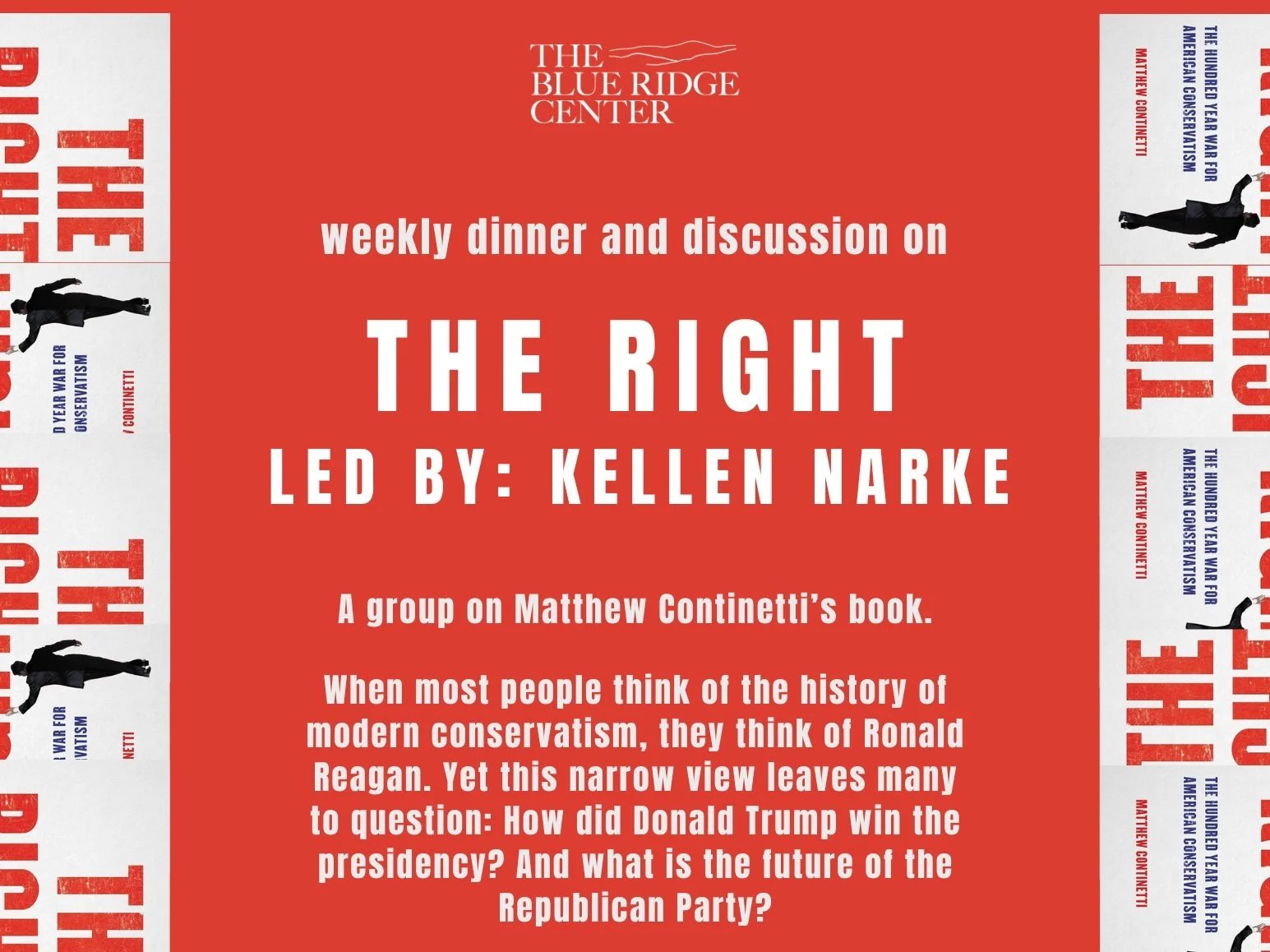
When most people think of the history of modern conservatism, they think of Ronald Reagan. Yet this narrow view leaves many with the question: how did Donald Trump win the presidency? And what is the future of Republican Party? This group read excerpts from The Right by Matthew Continetti, examining conservatism’s evolution from the progressive era to the present.
-
The Civil War in Appalachia
Spring 2025
With Howell Keiser
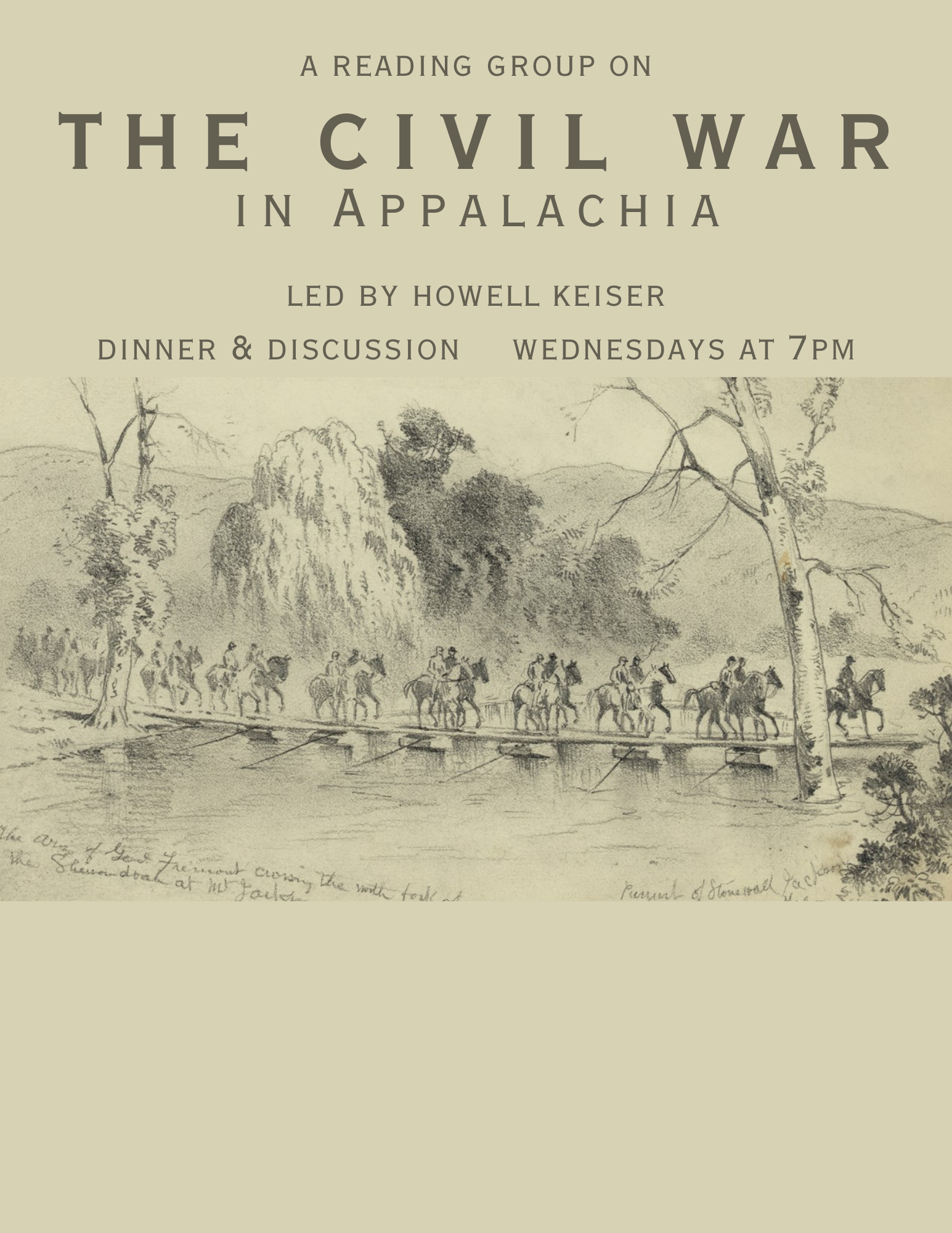
Southern Appalachia has remained distinct, and its unique geographical and local character shaped much of the region’s experiences during the American Civil War. Southern Mountain counties were deeply split politically over secession, and local populations divided their loyalties between the Union and the Confederacy. The exigencies of the war and local violence devastated the region. This reading group examined the Civil War era from the mountain peaks and hollers of Appalachia. The topics covered included slavery, regional identity, the Appalachian home front, guerrilla warfare, and Reconstruction.
-
St. Augustine
Fall 2024
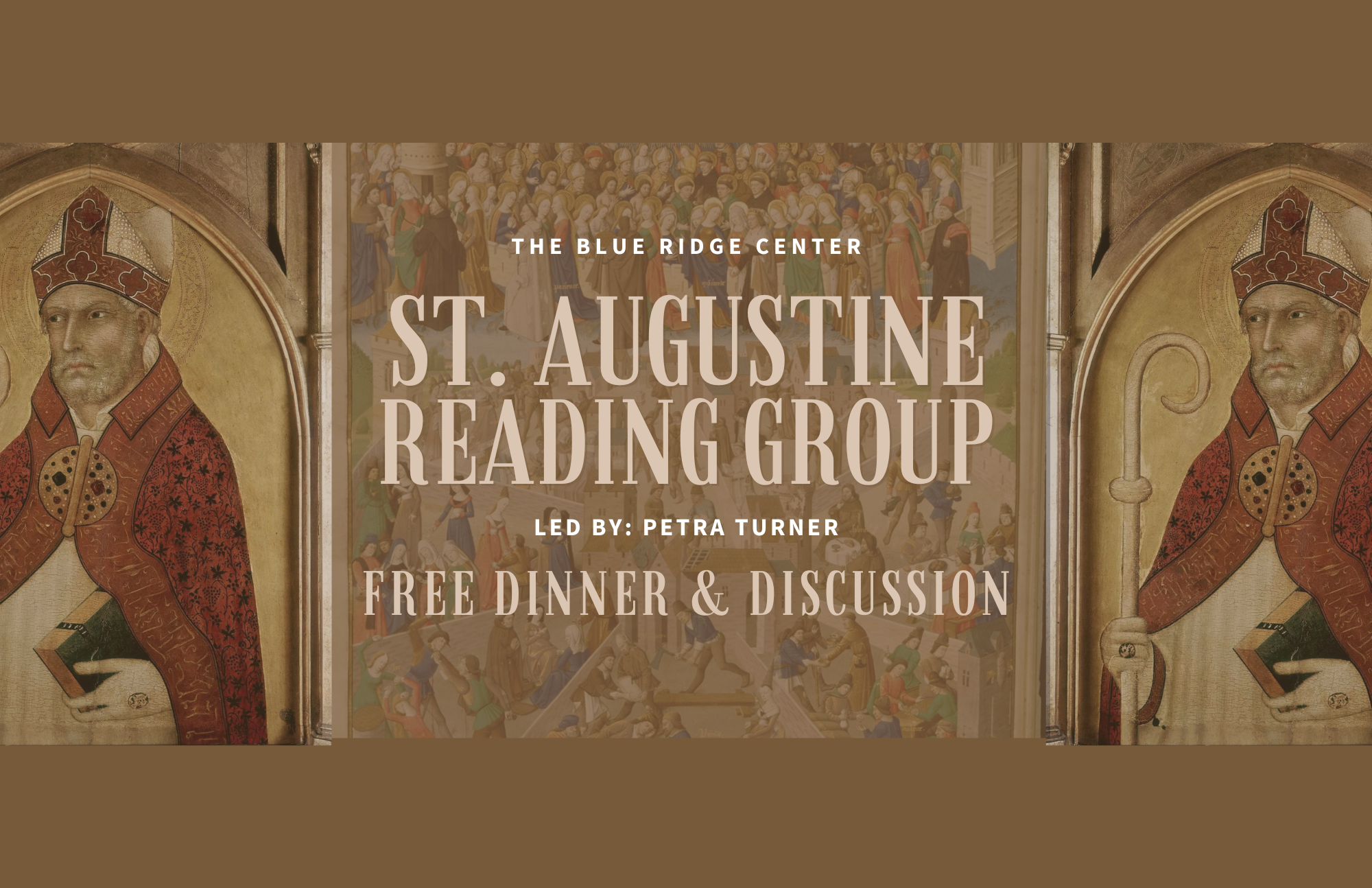
This reading group surveys the thoughts of one of the most famous and influential religious and political thinkers in all of history: St. Augustine of Hippo. The group used selections from a few of his works -- including ones that people rarely read -- to follow Augustine as he employed reason, belief, and moral thought and action to pursue what he considered the highest purpose: to know and love God and to act in life in accordance with that.
Led by Petra Turner
-

Southern Agrarians
Fall 2024
Key Southerners generated -- over 100 years -- the most sophisticated line of "reactionary" or anti-modernist thinking in America. This reading group surveys this thinking from John C. Calhoun in the 1830s-1840s through to the Southern Agrarians in the 1930s. This is a crucial strand in American political thought, a counterpart to European thinkers like Joseph de Maistre, and one of the rare examples of Americans questioning the wisdom of industrialization and modernization. Dinner provided each week in the Blue Ridge office.
Led by Howell Keiser
-
The Writings of Alexis de Tocqueville
Fall 2024
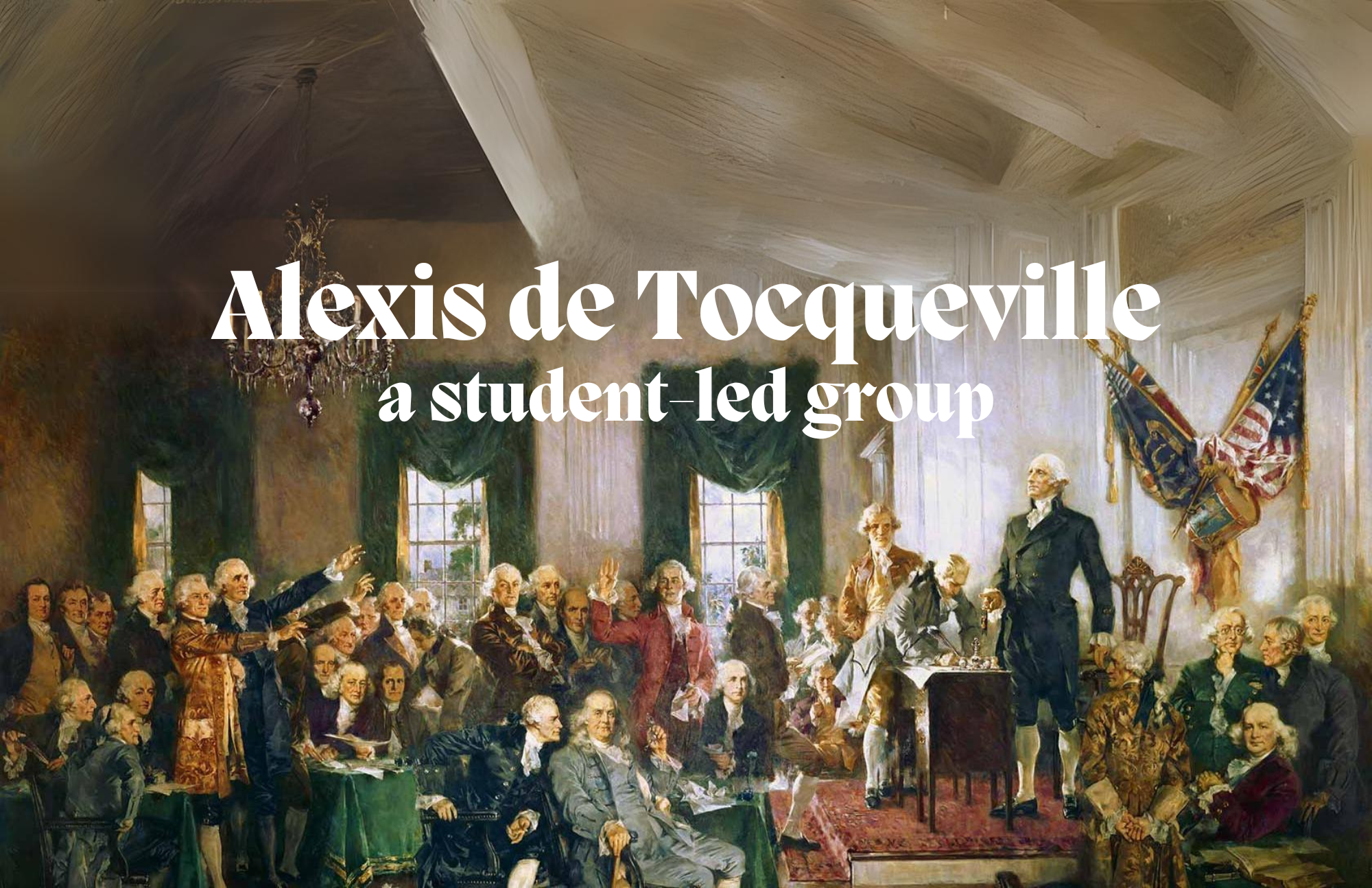
This French visitor became maybe the most influential and enduring thinker about the politics & culture of the United States. This reading group sampled his famous Democracy in America to learn and evaluate what he had to say about the U.S. -- and what seems relevant today.
Student-led by Margot Sellgren
-
Value Investing
Fall 2024
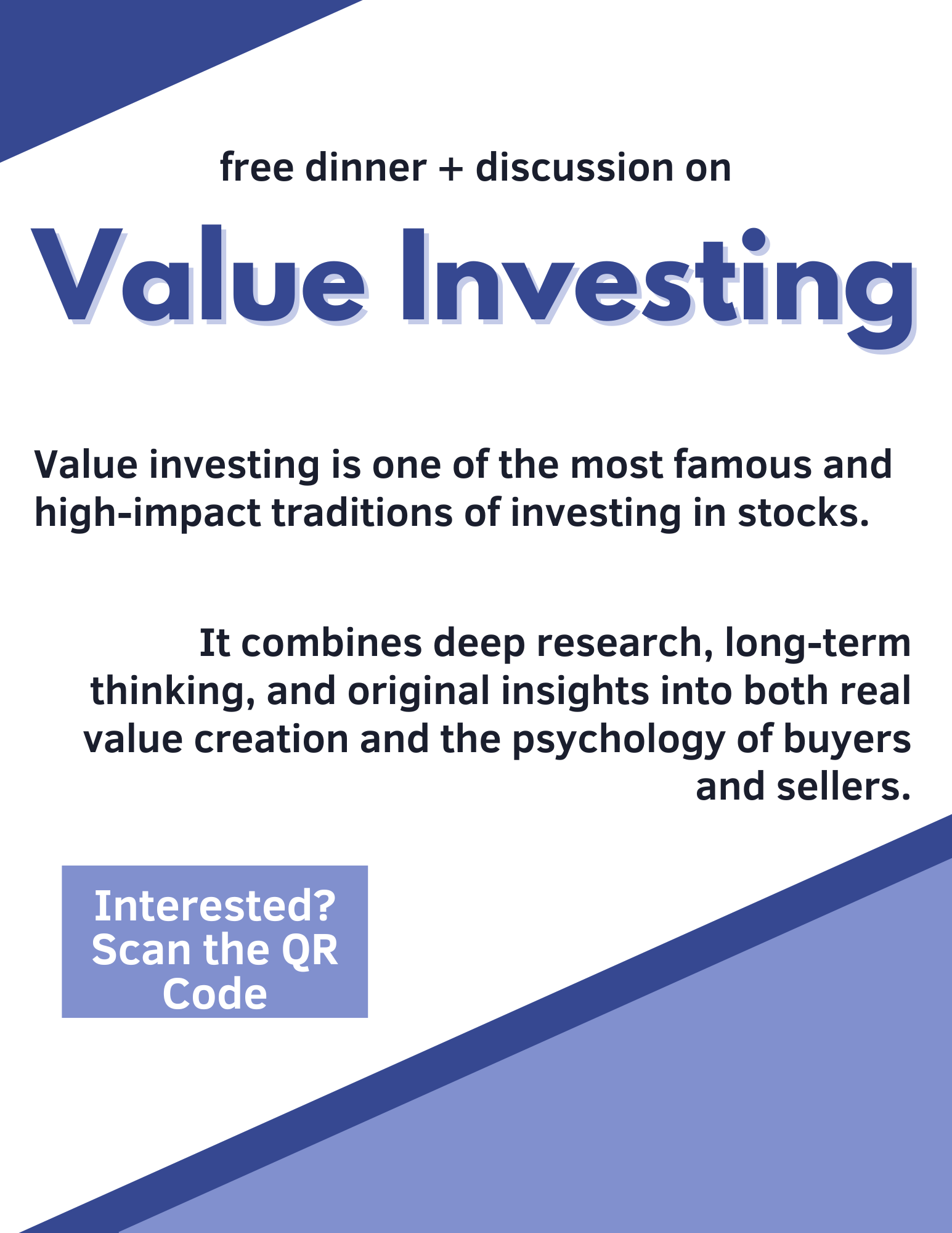
Value investing is one of the most famous and high-impact traditions of investing in stocks. It combines deep research, long-term thinking, and original insights into both real value creation and the psychology of buyers and sellers. This group familiarized students with the main thoughts of value investing's leading proponents -- including Warren Buffett, the most successful stock picker in history. Dinner provided each week in the Blue Ridge office.
Student-led by Zach Nachlis
-
Get Married
Fall 2024
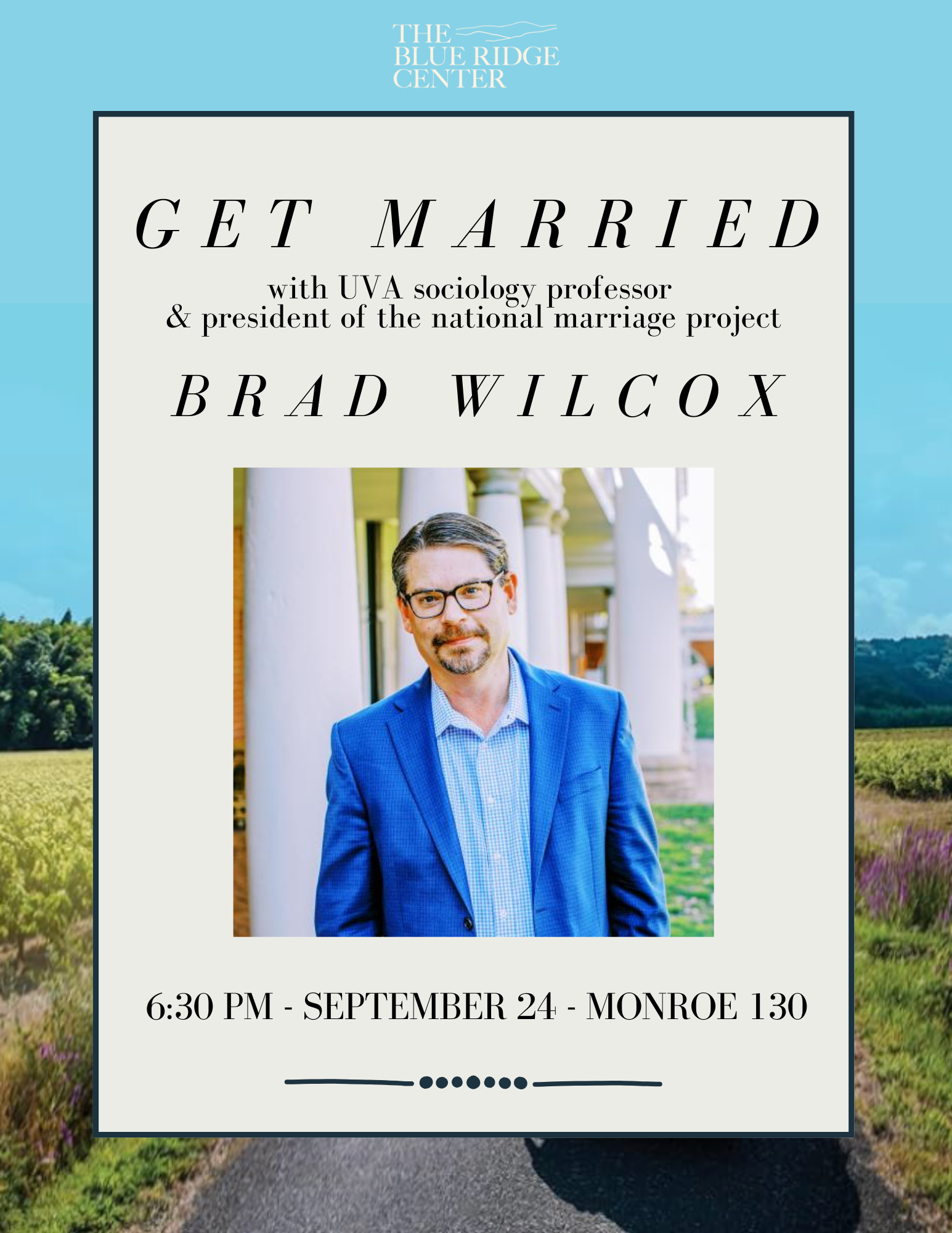
Americans have been fiercely debating for more than 50 years whether it matters if people get married. A leading voice in that debate is UVA's legendary Professor Brad Wilcox. This reading group focused on his recent and prominent book Get Married, reading parts of it along with thinkers who sharply disagree with him. Dinner provided each week in the Blue Ridge office.
Led by Sam Richardson.
-

Originalism
Fall 2024
Originalism is the single most prominent theory that judges use to interpret the Constitution and the law. This group explored this legal theory and its leading critics, to understand the most important debate dividing the legal world today. Dinner provided weekly in the Blue Ridge office.
Led by Will Bleveans
-
Value Investing
Spring 2024
Value investing is one of the most famous and high-impact traditions of investing in stocks. It combines deep research, long-term thinking, and original insights into both real value creation and the psychology of buyers and sellers. This group familiarized students with the main thoughts of value investing's leading proponents -- including Warren Buffett, the most successful stock picker in history. Led by Harry Cowen.
-
The Great Debate: Booker T. Washington and W.E.B. Du Bois
Spring 2024
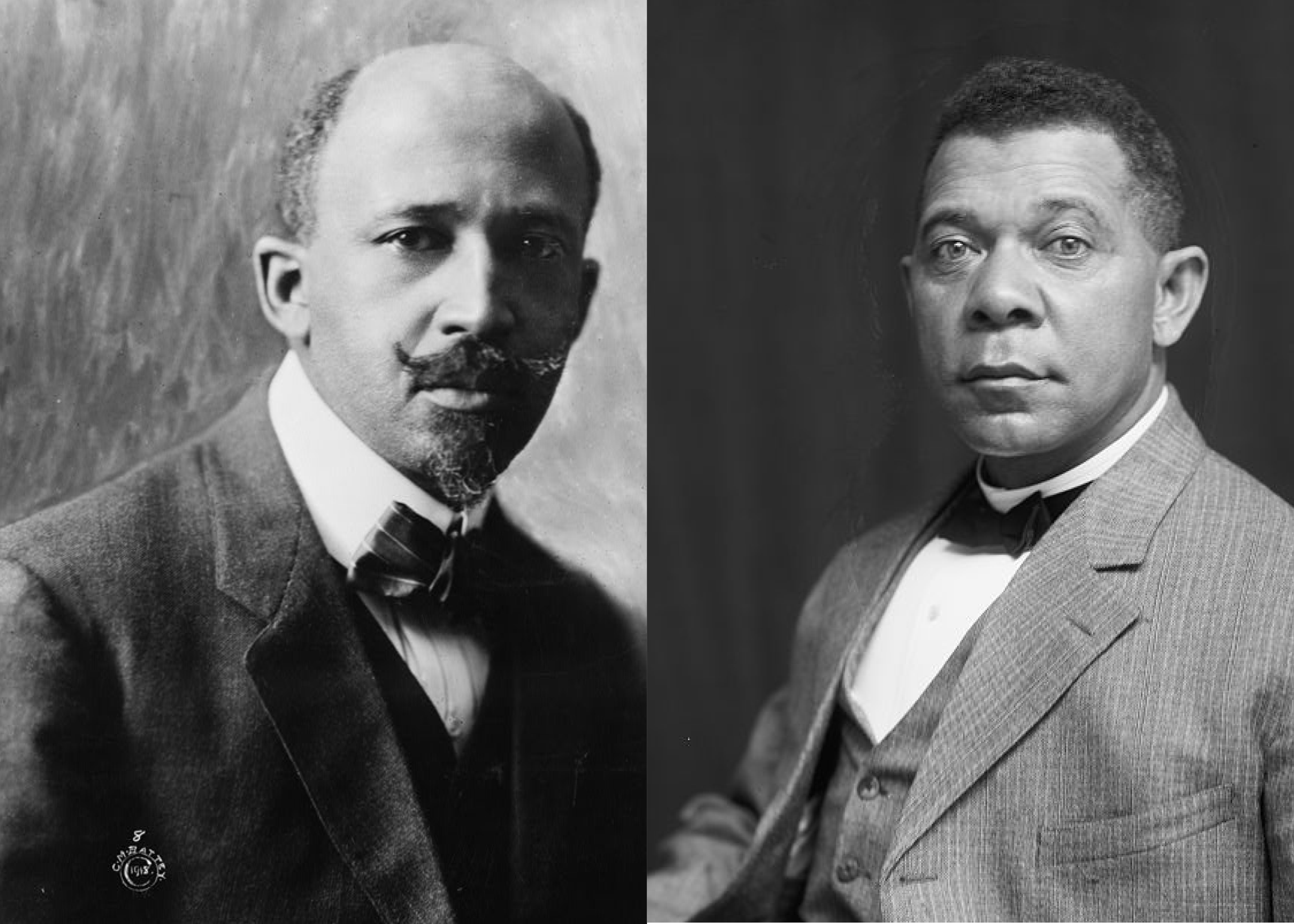
What is the best way to achieve social equality for victims of injustice and disadvantage? Are the fastest route and the most effective route the same thing? Two giants in America's intellectual history, Booker T. Washington and W.E.B Du Bois, disagreed -- with one arguing that the key is individual economic activity and the other insisting on the need for political intervention. This debate sums up today's main policy debates as much as it did 100 years ago. Led by Sarita Zaffini.
-
The Canceling of the American Mind
Spring 2024
What is cancel culture? What toll has it taken on society, and does it threaten democracy? Students considered those questions and more as they read The Canceling of the American Mind—the first comprehensive study of the phenomenon—and considered what, if anything, should be done to counter current trends in academia and beyond. Led by Sam Richardson.
-

Faith and Politics
Spring 2024
Students discussed the intersection of politics and religious faith. What is the proper role of faith in the political arena, if any at all? How much should politics intrude into religious practice? Have religious people been more inspired or disappointed by engaging politically? The group weighed perspectives from modern liberals and conservatives. Led by Dan Moy.
-
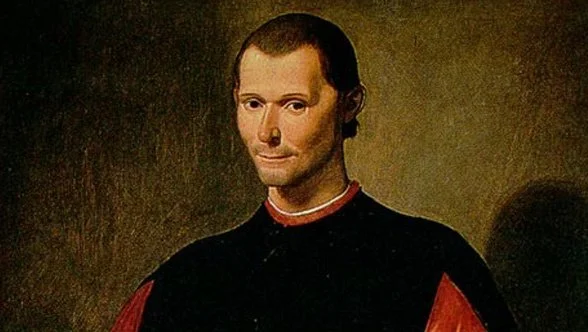
Mirror of Princes: Machiavelli and Xenophon
Spring 2024
Students explored the relationship between leadership and virtue by tackling two of the greatest conversations in political philosophy: Xenophon’s Education of Cyrus and Machiavelli’s interpretation of Xenophon. Ultimately they pondered the question: What is the ideal political leader? Led by Max Lykins.
-
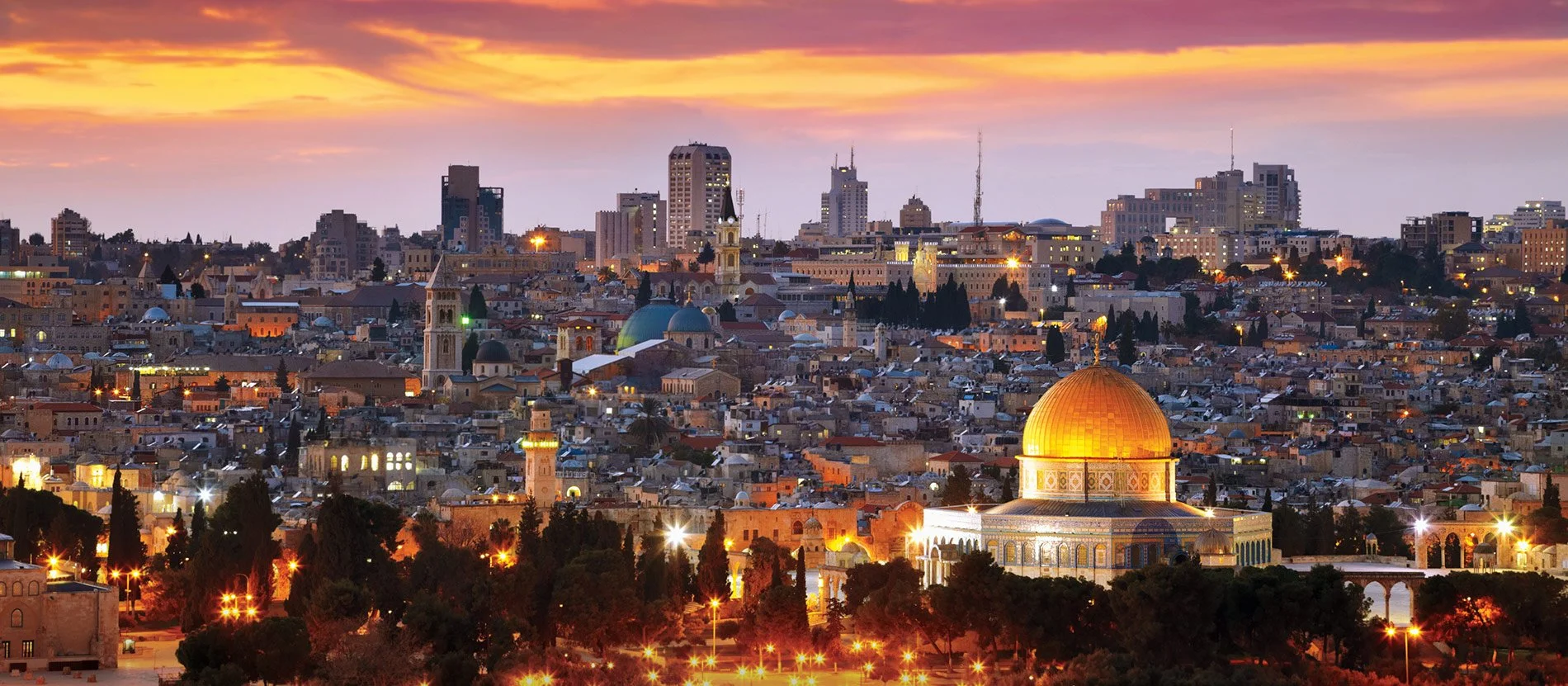
The New New Israel
Spring 2024
Israel has one of the most complex societies in the world, and doesn't fit simplistic narratives. Half its Jewish population traces its ancestry to Arab countries, and its Bedouin, Druze, and substantial Arab minorities play prominent roles in Israel's society, economy, military, and, increasingly, politics. This group does a deep dive on what Israel's society actually looks like.
-

Free Speech and Viewpoint Diversity
Fall 2023
Is free speech necessary for free thought and progress, or can some speech harm people and should it be restricted? Do professors have to hold a wide range of viewpoints to deliver a real college education and drive the best possible research and science? These are some of the most important issues facing students today. This group is intended primarily for first years.
Read more and apply here
-

C.S. Lewis
Fall 2023
C.S. Lewis remains a strikingly popular thinker and writer 70 years later, especially among Christian intellectuals. What is it that so many people see in him? This group explores his major writings, including his most famous Narnia novel, The Lion, the Witch, and the Wardrobe.
-

Lessons from Ukraine
Fall 2023
he biggest conflict in Europe since World War 2 may be changing how wars work, in real time. Did the Russian invasion confirm or refute major theories of international relations? Can a smaller country really beat a Great Power on the battlefield? Are drones and other technologies making traditional militaries obsolete?
-
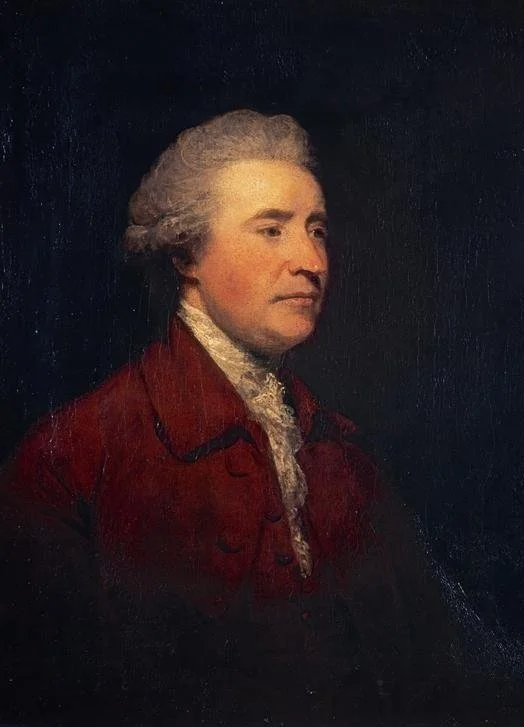
Edmund Burke's Reflections on the Revolution in France
Fall 2023
Many consider Burke the inspiration of modern conservative thought. This group does a deep dive on his most famous, influential, and enduring book.
-
Structure of the Constitution
Fall 2023
Why is the U.S. government set up in the complicated, separated way that it is? A set of professors, including from UVA Law, work through the theory, the practice, and the controversies of the format of America's basic Constitutional order.
-

The Coddling of the American Mind
Fall 2023
Co-authored by long-time UVA professor Jonathan Haidt, The Coddling of the American Mind tries to explain controversial developments on college campuses like extensive self-censorship by students, the shouting down of speakers, and political polarization. This group will read through Coddling, considering Haidt's theories about the origins of these behaviors and weighing his solutions.
-
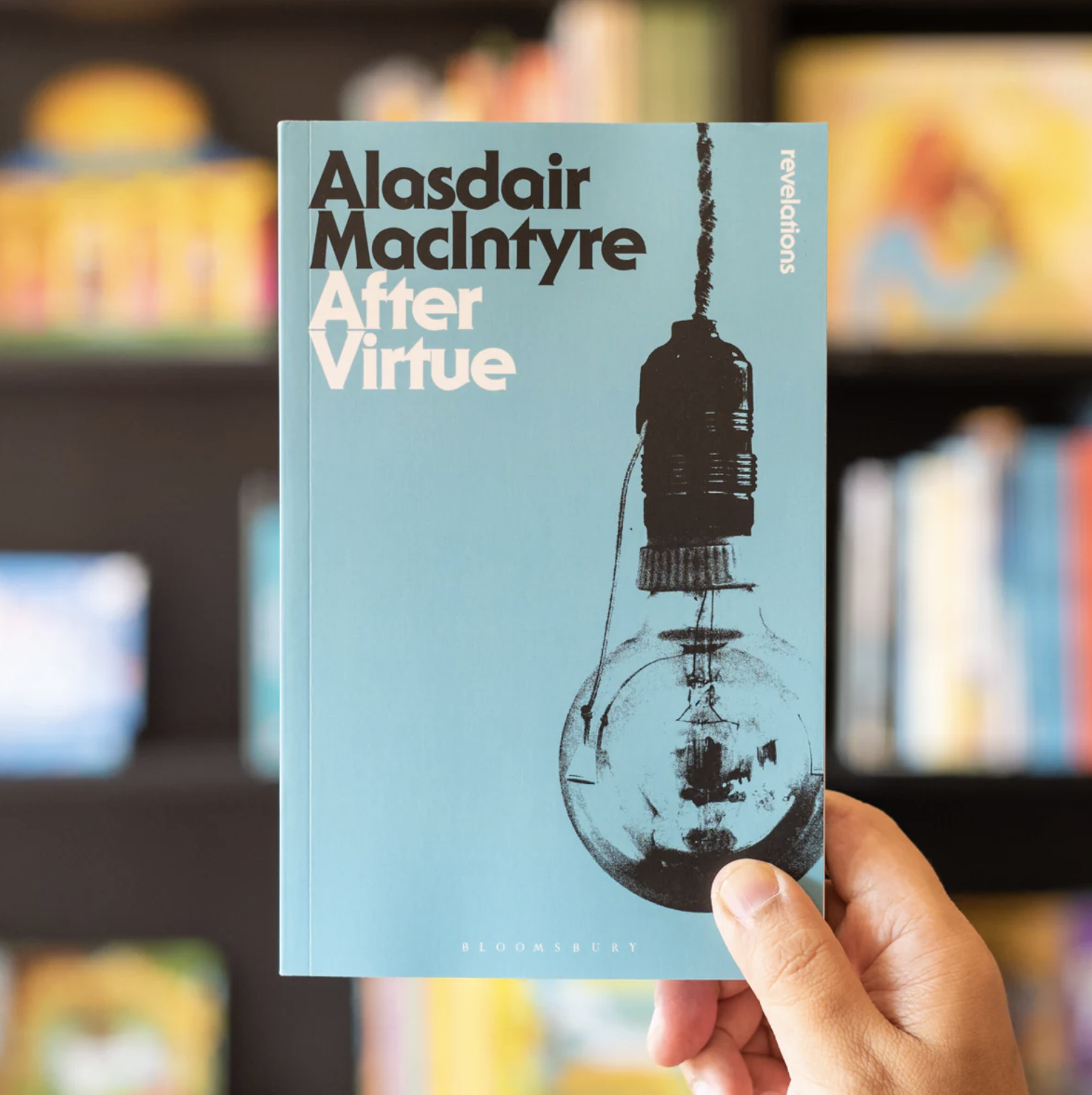
The Philosophy of Virtue
Fall 2023
Alasdair MacIntyre believed that something essential has been lost in the modern world, and that society, morality, and our lives would be improved by recovering it. His book After Virtue made him one of the most important philosophers of the last 75 years. This group explores this iconic book.
-

Corporate Social Responsibility
Spring 2023
With the participation of UVA professors, a group of students discussed whether firms should focus on profitability or uphold values held by managers, employees, and other stakeholders. They read and considered how both advocates and opponents tackle this controversial issue.
-
Faith and Politics
Spring 2023
Led by a UVA professor who himself ran for elected office, this group discussed the intersection of religious faith and politics. What is the proper role of faith in the political arena, if any at all? Have religious people been more inspired or disappointed by engaging politically? The group weighed perspectives from modern liberals and conservatives.
-
Originalism
Spring 2023
Led by a distinguished attorney, with direct participation from two leading UVA Law professors, this group discussed the legal theory of originalism, tackling content from both proponents and critics.
-
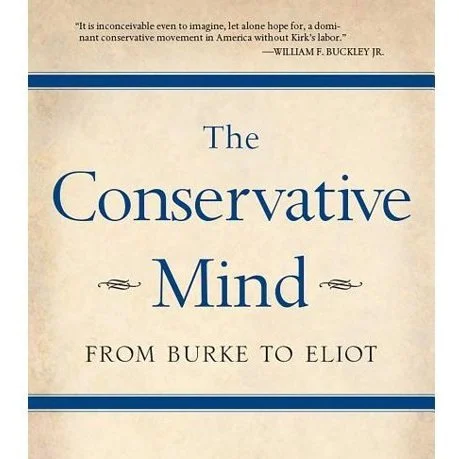
Political Theory
Spring 2023
Led by a UVA professor, this group studied the leading book by Russell Kirk, considered by some to be the “father of American conservatism.” Initiated at the request of UVA students, the group considered both critical and complementary takes on Kirk’s philosophy.
-

Post-Liberalism
Spring 2023
Entirely led by UVA students, this group engaged with post-liberal theories of current American politics, engaging with both advocates and critics.
-
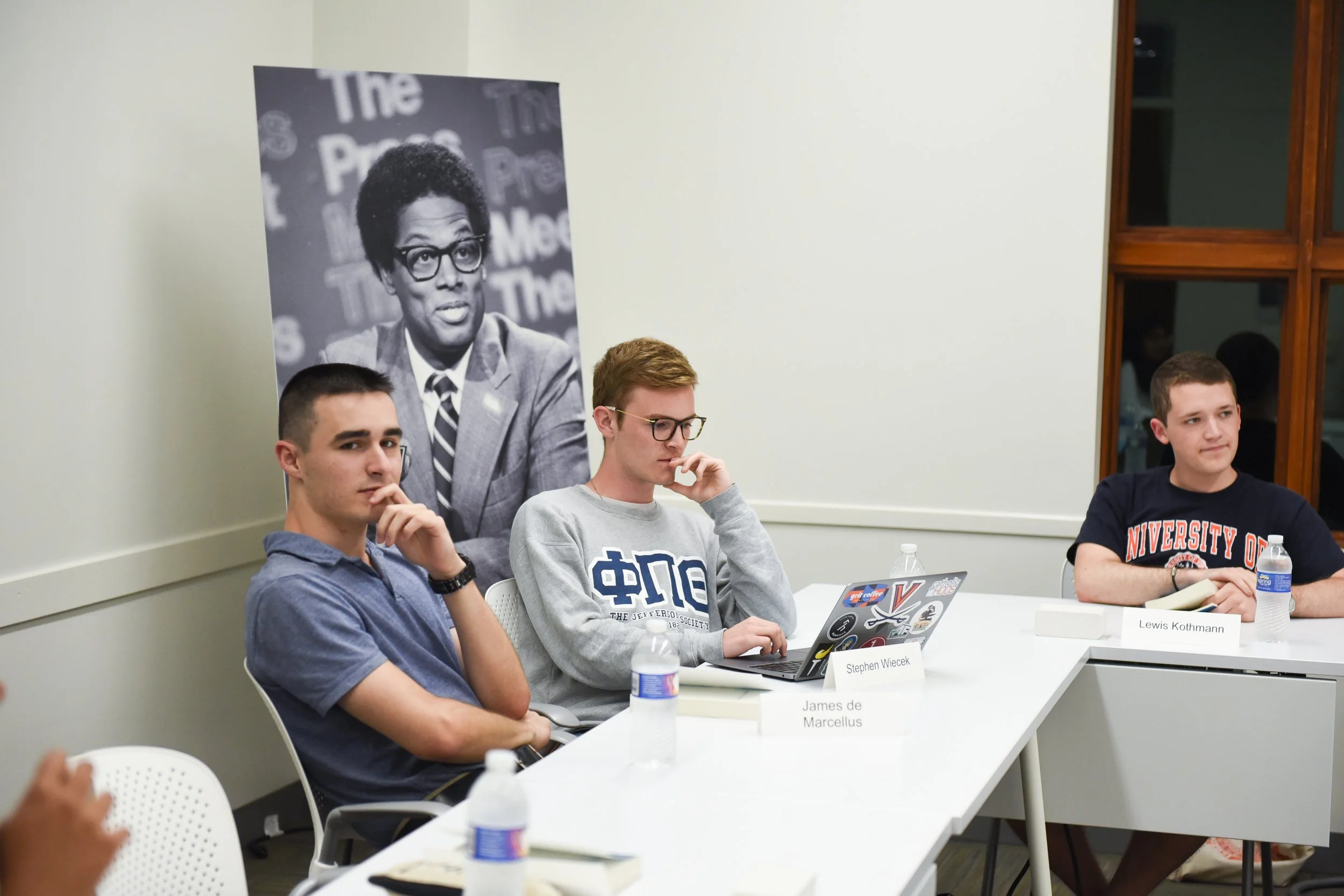
Thomas Sowell
Fall 2022
Professor Alexander and 8 students read and discussed major research works by economist and social theorist Thomas Sowell, as well as an extended critique of his work.